
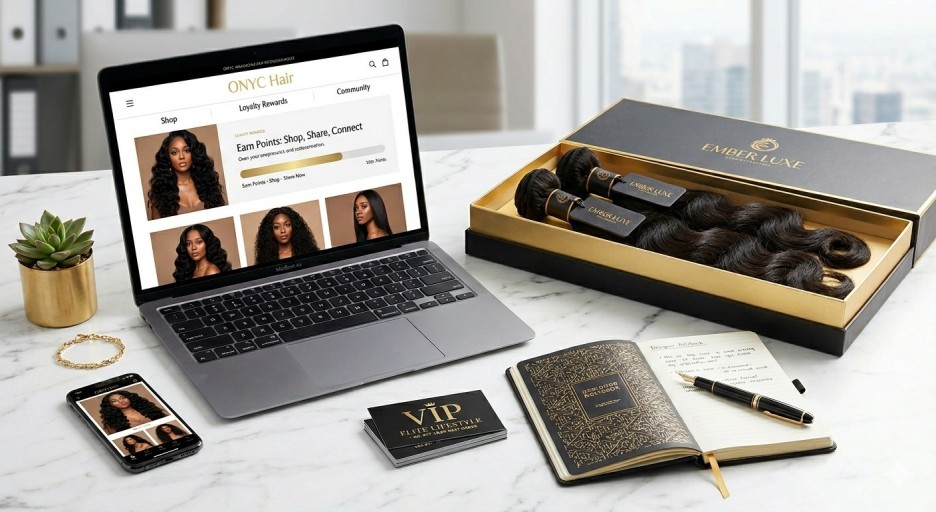
In the beauty industry, customer loyalty is not built by attractive product photos alone. For shoppers buying textured hair online, the decision often involves trust, education, confidence, and emotional reassurance. Many African American consumers want more than a product page; they want a brand that understands relaxed textures, kinky curls, coily hair, protective styling, blending concerns, shedding questions, shipping expectations, and post-purchase support. Because the online hair extension market is crowded, businesses that want repeat customers must create a shopping experience that feels clear, personal, reliable, and culturally aware from the first website visit to the follow-up email after delivery.
Building Trust Through Texture Education
Textured and natural hair customers often shop with specific concerns in mind, especially when comparing relaxed straight, kinky straight, curly, coily, and protective-style-friendly options. This is where African American Hair Extensions Websites can stand out by offering clear education instead of vague product descriptions. When a site explains curl patterns, luster, density, origin, maintenance, and blending expectations, customers feel more confident about choosing the right product.
Trust grows when shoppers can answer important questions before reaching checkout. Is the hair truly human hair? Will it blend with relaxed or natural textures? Does the brand explain shrinkage, fullness, length appearance, and proper care? When a company addresses these concerns honestly, it reduces buyer hesitation and positions itself as a helpful guide rather than just another online store.
Creating a Customer Experience That Feels Personal
A strong e-commerce experience should make the customer feel supported, not rushed. In the hair extension market, this means having organized product categories, detailed images, comparison guidance, customer reviews, size and length information, care instructions, and easy ways to contact support. These details help shoppers feel that the business understands the seriousness of their purchase.
For textured and natural hair shoppers, convenience matters, but confidence matters even more. A customer looking for clip-ins may need reassurance about texture match, fullness, comfort, and daily wear. When a website naturally guides them toward the Best Clip In For Black Women, the recommendation should feel educational, not forced. That kind of guidance can turn a browsing visitor into a serious buyer.
Customer experience also extends beyond the product page. Loyalty improves when brands provide:
- Fast and respectful responses to customer questions
- Clear shipping, return, and exchange policies
- Helpful care guides after purchase
- Real reviews from customers with similar hair needs
- Follow-up emails that offer value instead of constant selling
Using Authenticity and Reviews to Encourage Repeat Purchases
Authenticity is a major loyalty driver in beauty e-commerce. Customers want to know that the brand understands their real-life hair goals, not just trending keywords. A website that speaks naturally about protective styling, texture blending, long-term wear, and realistic maintenance can build a stronger emotional connection with its audience.
Reviews also play a powerful role because they provide social proof. When customers see feedback from people who purchased similar textures, lengths, or styles, they are more likely to trust the brand. Detailed reviews can answer questions that product descriptions may not fully cover, such as how the hair behaves after washing, how it blends after styling, or how full the bundles look after installation.
Businesses should also avoid overpromising. Customers appreciate honest descriptions about care requirements, texture behavior, and realistic expectations. In a competitive market, transparency can become a brand advantage because it reduces disappointment and increases the chance of a second purchase.
Long-Term Relationship Marketing Matters
Hair extension websites that focus only on one-time sales often miss the bigger opportunity. A loyal customer may return for new textures, longer lengths, closures, clip-ins, wigs, or seasonal styles. To encourage that repeat business, brands need to maintain communication through helpful newsletters, loyalty rewards, restock updates, personalized recommendations, and exclusive offers.
Relationship marketing works best when it feels useful. Instead of sending only promotional emails, a brand can share care reminders, texture education, styling inspiration, product comparison guides, and customer stories. This keeps the business present in the customer’s mind without making every message feel like a sales pitch.
Strong loyalty strategies may include:
- Reward programs for returning customers
- Early access to new textures or limited collections
- Educational blog posts that answer common buying questions
- Personalized product suggestions based on past purchases
- Customer appreciation campaigns that make buyers feel valued
Final Business Thoughts
In a competitive beauty market, loyalty is earned through consistency. African American hair extension shoppers want to feel understood, respected, and supported before and after they buy. A website that provides honest product education, authentic messaging, strong customer service, and useful follow-up communication can create a much stronger bond than a store that relies only on discounts.
The most successful hair extension businesses are not simply selling bundles, wigs, or clip-ins. They are building trust with customers who care deeply about texture, quality, appearance, and long-term value. When a brand treats every product page, email, review, and support conversation as part of the customer relationship, it becomes easier to turn first-time shoppers into loyal repeat buyers.